
Decision Frameworks for Smarter Purchases
Understand what to look for before you spend money. Our buying guides break down features, pricing models, trade-offs, and alternatives — so you buy with confidence.
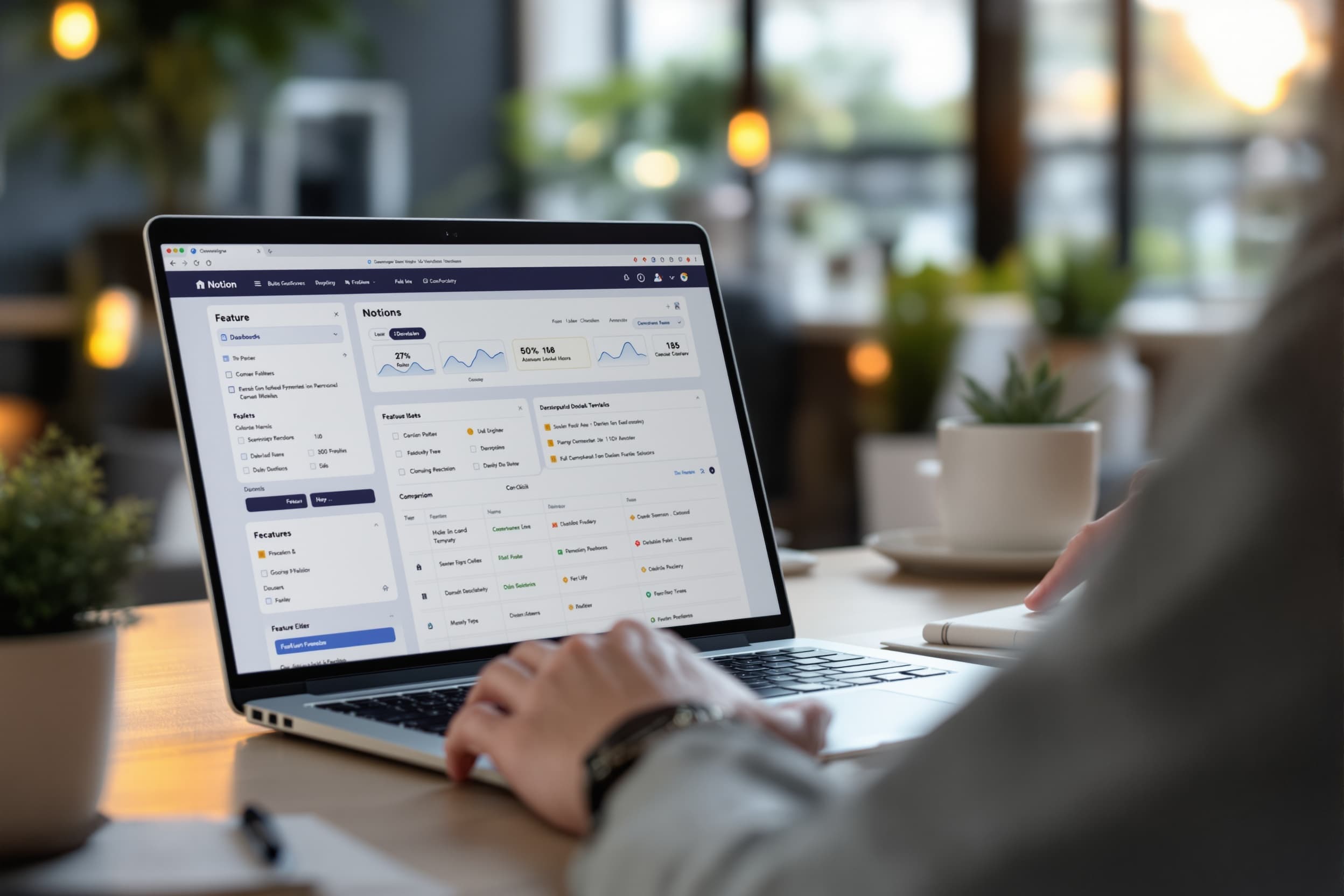
How to Choose a Notion Template
The complete decision framework for evaluating Notion templates. Covers use case matching, feature assessment, pricing evaluation, database architecture quality, and maintenance requirements. Our 7-point scoring system applied across real templates.

Project Management Software Buyer Guide
Compare project management platforms across 10 dimensions: task management, views, automations, integrations, pricing, team collaboration, reporting, mobile experience, API access, and support. Frameworks for teams of 1-500.

CRM Template Comparison Guide
What to look for in a CRM template — deal pipelines, contact management, activity tracking, reporting, and client portal features. Compare Notion CRM templates against dedicated CRM software like HubSpot and Pipedrive.
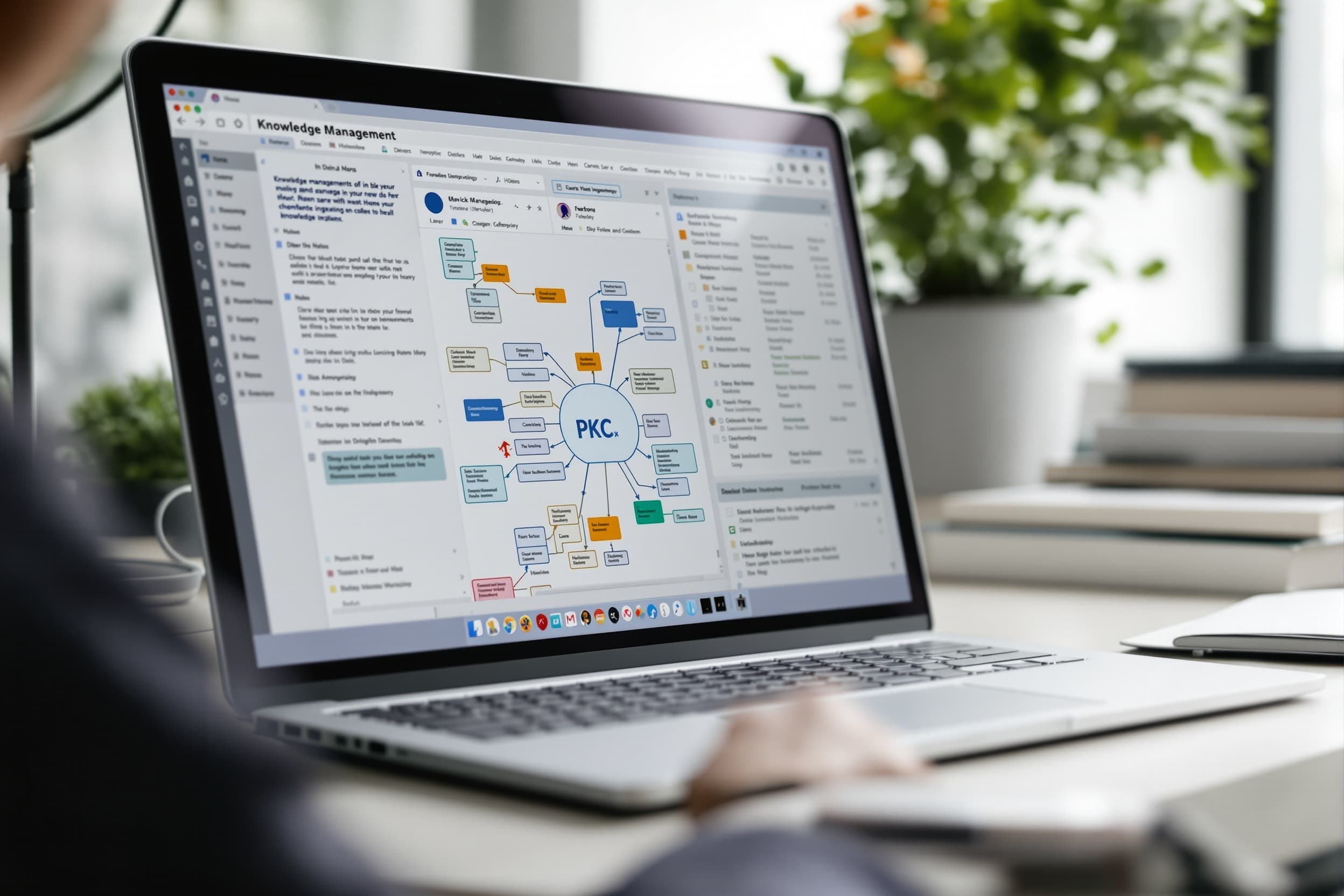
Knowledge Management Tool Buyer Guide
Choose between Notion, Obsidian, Roam Research, Capacities, and Evernote for personal knowledge management. Compare linking models, search capabilities, mobile experience, and long-term knowledge preservation.
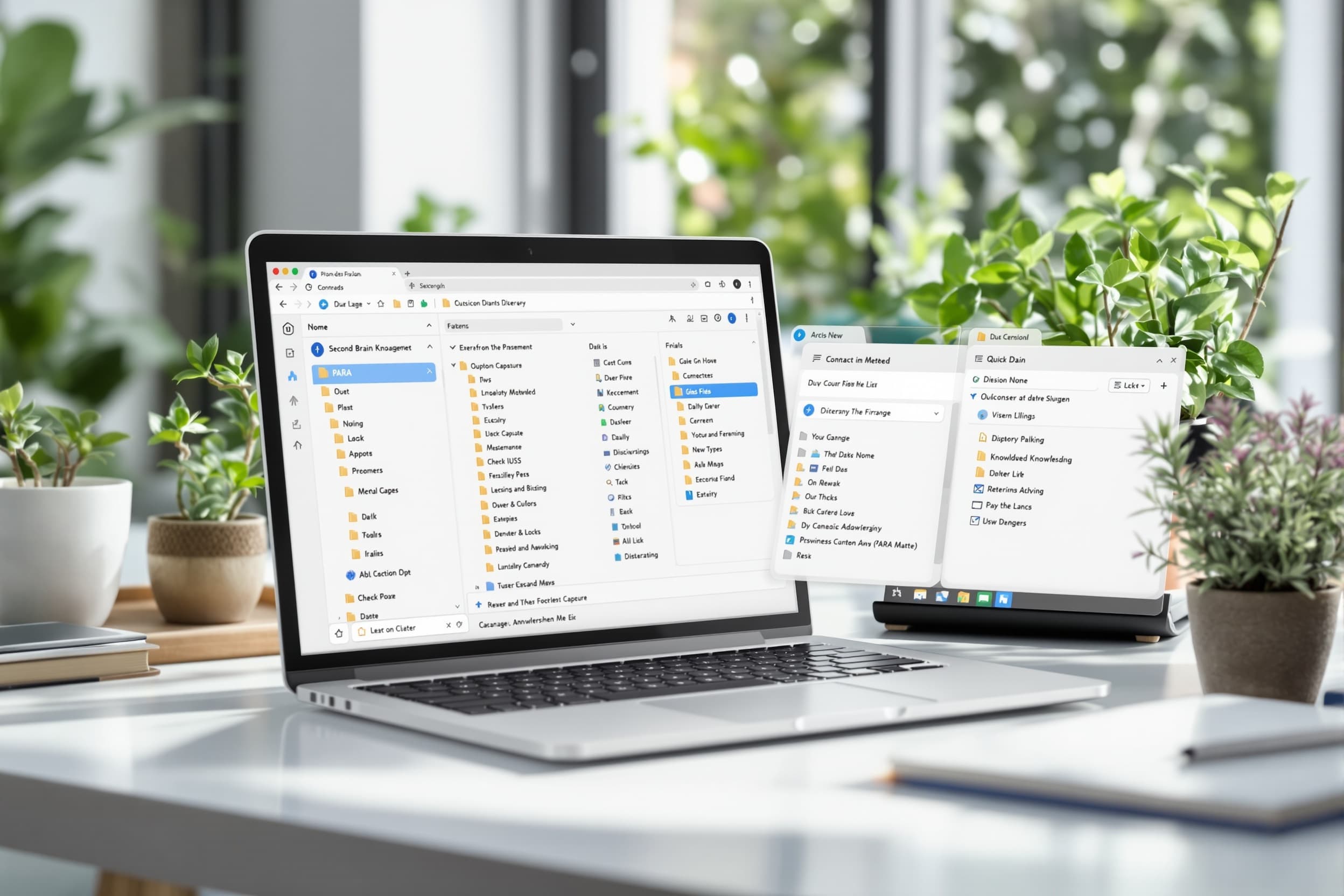
Second Brain Template Buyer Guide
How to evaluate second brain and PARA-method templates for Notion and Obsidian. Key features: quick capture, progressive summarization, bi-directional linking, project-action reference mapping, and review workflows.

AI Productivity Tool Buyer Guide
Navigate the rapidly evolving AI productivity landscape — ChatGPT, Claude, Perplexity, Notion AI, and Copilot. Compare capabilities, pricing models, privacy considerations, and integration depth with existing workflows.
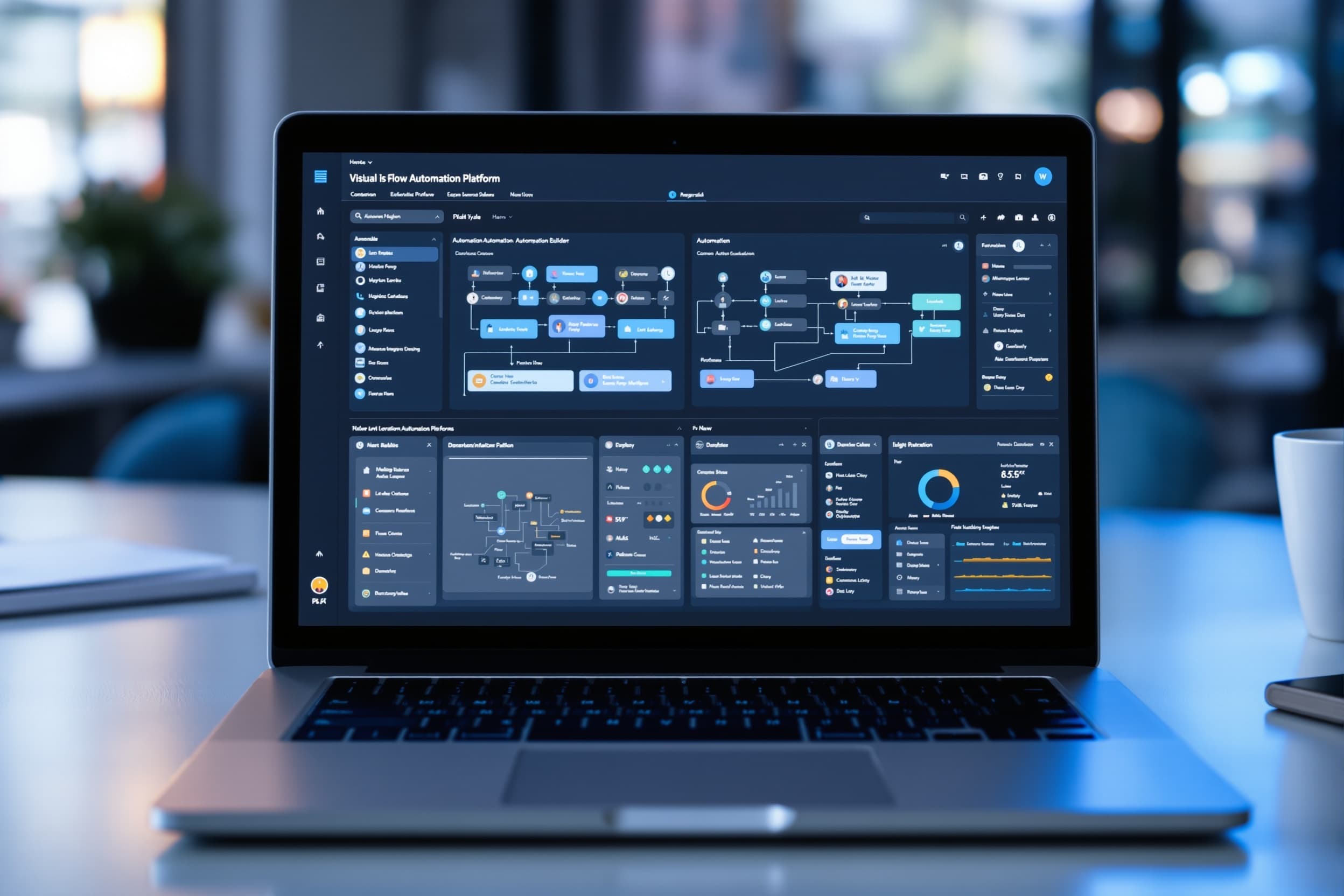
Automation Platform Buyer Guide
Compare Zapier, Make, n8n, and native platform automations. Decision framework covering trigger-action complexity, pricing at scale, self-hosting options, and total cost of ownership for different team sizes.
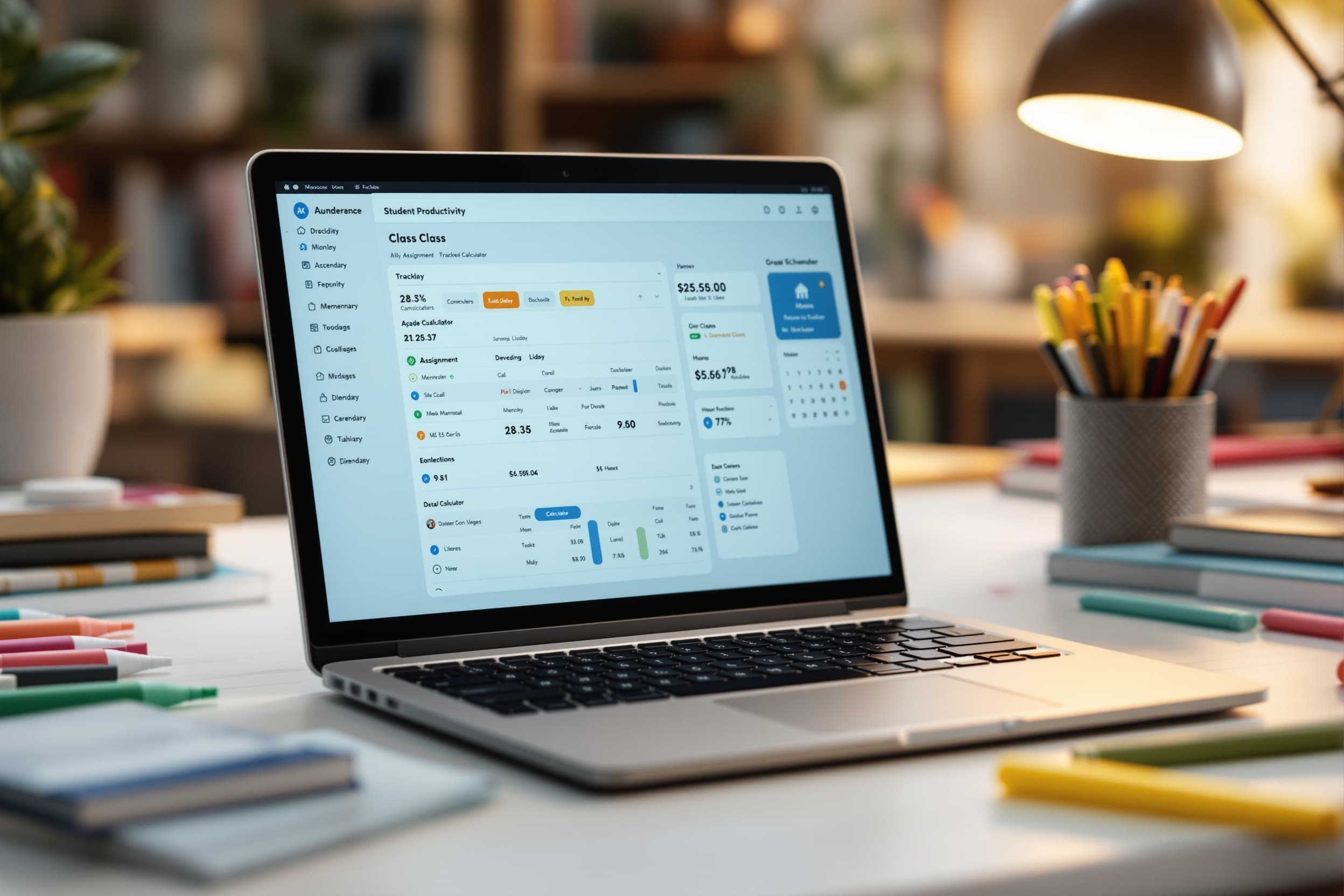
Student Template Buyer Guide
What students should look for in academic productivity templates — class tracking, assignment planning, grade calculation, and internship management. Budget-friendly options and free alternatives for college and graduate students.
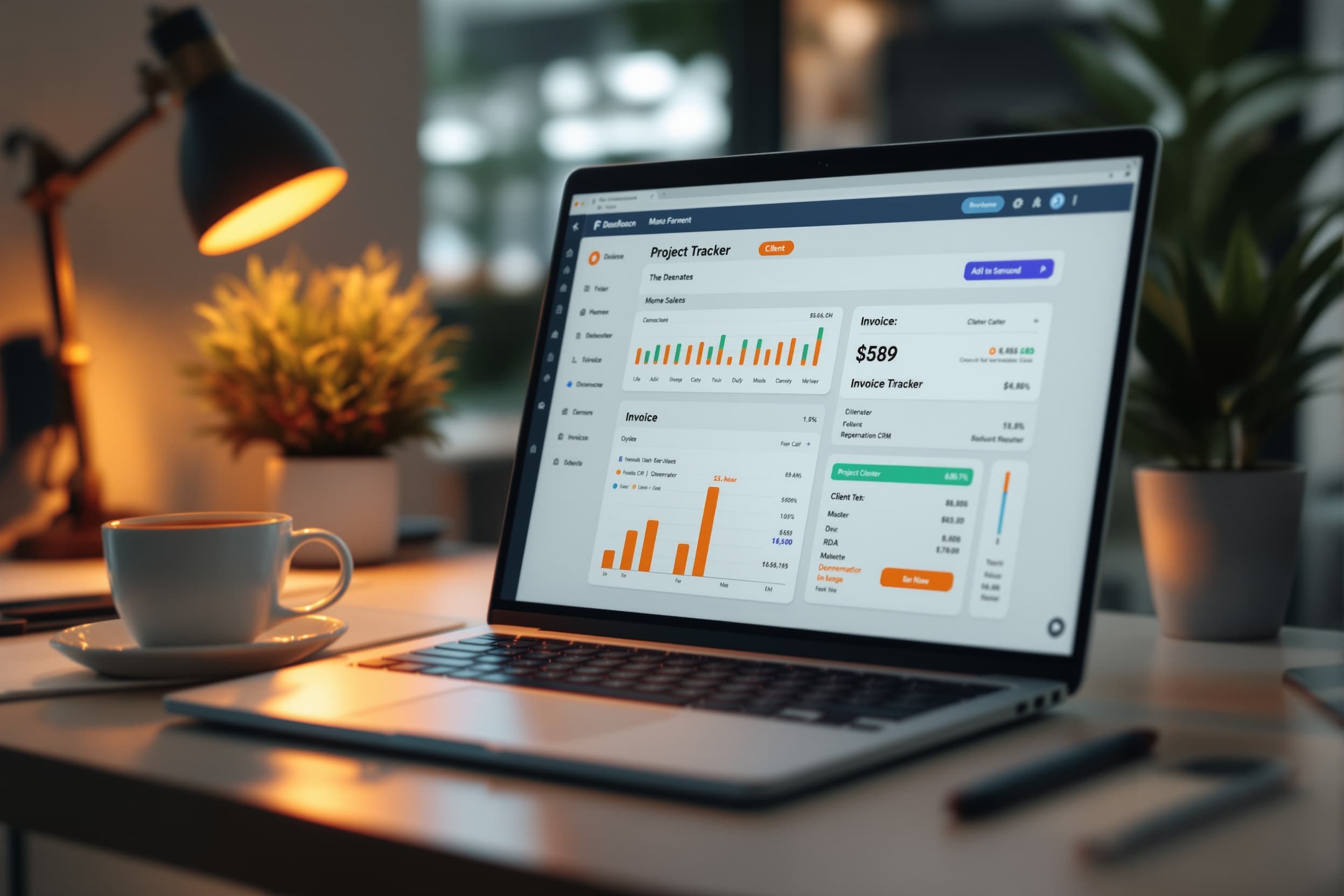
Freelance Business Systems Buyer Guide
The complete stack evaluation framework for freelancers — project management, CRM, invoicing, content planning, and finance tracking. How to choose integrated systems vs best-of-breed tools based on your client volume and business complexity.
Still not sure what you need?
Use our free tools, read in-depth reviews, or compare products side-by-side to make the best decision for your workflow.
How we reach a recommendation
Every buying guide here is built the same way. We start from primary sources — the product's own documentation, its pricing page, its release notes and changelog — and cross-check what those say against what users report publicly. Where two sources disagree, we say which one we followed.
That means our assessments describe documented capability rather than lived experience. We think that distinction matters enough to state plainly: a feature comparison built from specifications is genuinely useful, and it is a different thing from a review by someone who ran the tool for a month. We do not claim the second when we have done the first.
Where we cannot verify something, we leave it out. A gap in a comparison table means we could not confirm the answer, not that the answer is no.