
Curated Rankings You Can Trust
Every ranking is backed by documented research, structured scoring across multiple dimensions, and transparent methodology. No sponsorships, no pay-for-placement — just honest, data-driven recommendations.

Best Notion Templates of 2026
Our definitive annual ranking of the top 10 Notion templates across project management, CRM, knowledge management, and finance. Scored on design quality, functionality depth, ease of use, and value for money.

Best Project Management Tools
Compared 12 project management platforms across task management, team collaboration, reporting, integrations, pricing, and learning curve. Winner by use case: solo, small team, enterprise.
Best Knowledge Management Apps
Notion vs Obsidian vs Roam vs Capacities vs Logseq — ranked across 8 dimensions. Best overall, best for beginners, best for researchers, and best free option.
Best Free Productivity Tools
64 free tools and templates tested and ranked. Categories: note-taking, task management, automation, AI assistants, time tracking, and file management. No credit card required for any tool on this list.
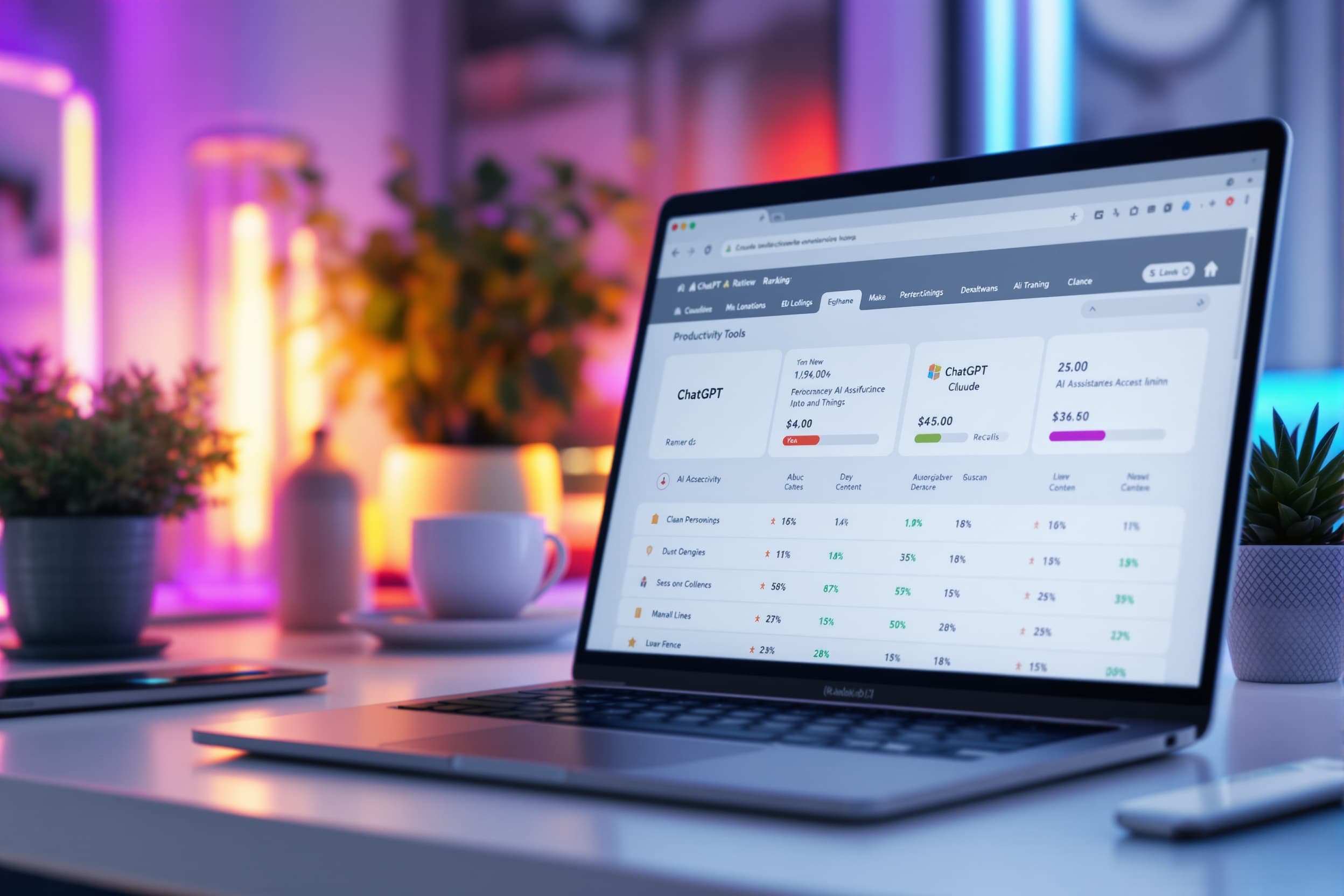
Best AI Tools for Productivity
ChatGPT vs Claude vs Perplexity vs Notion AI vs Copilot — compared for writing, research, automation, and coding workflows. Ranked by use case with detailed scoring breakdowns.
Best Note-Taking Apps
Notion, Obsidian, Craft, Bear, Apple Notes, and Evernote ranked for different use cases. Quick capture, organization depth, search quality, and cross-platform experience all scored.
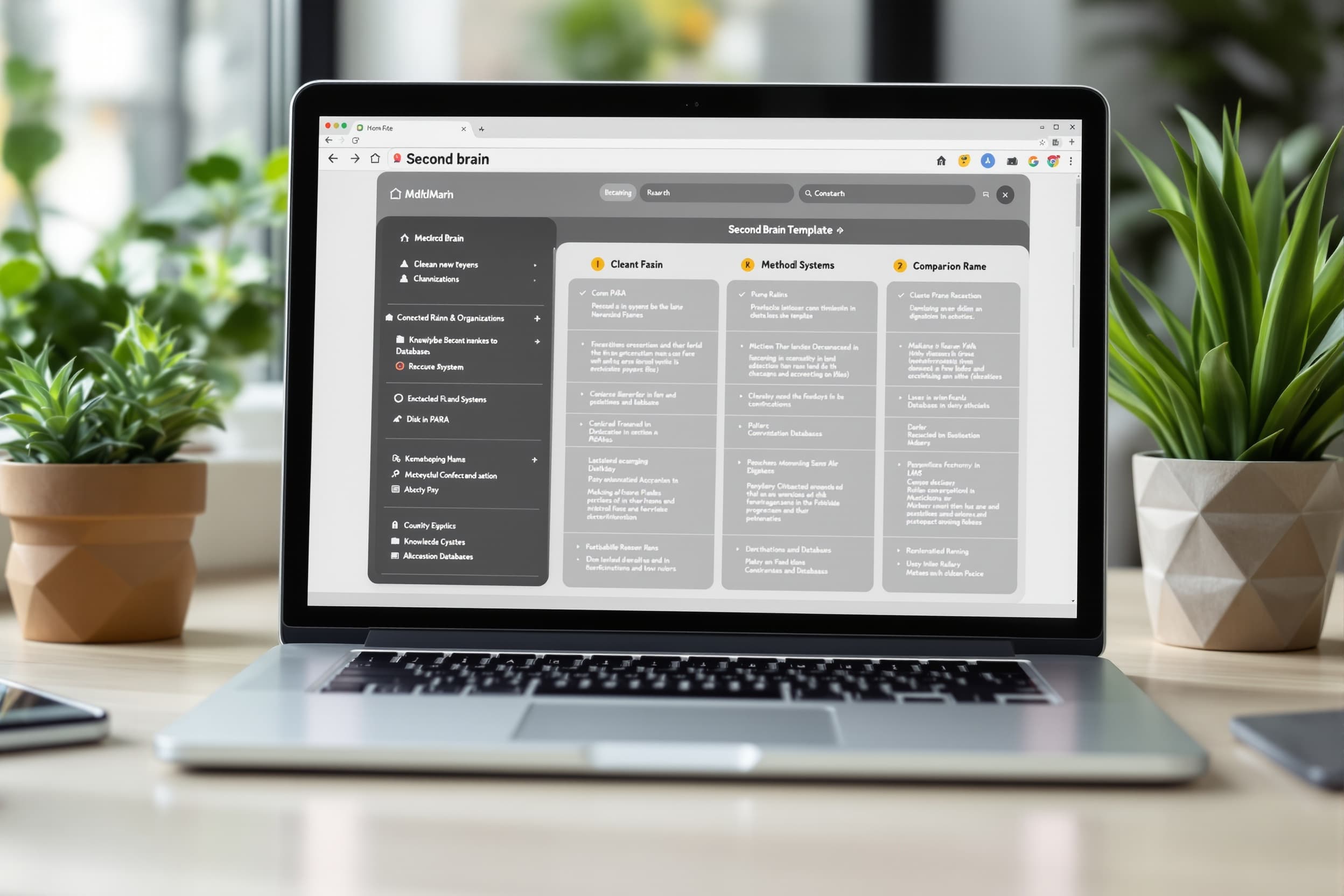
Best Second Brain Templates
PARA-method and second brain templates for Notion and Obsidian ranked head-to-head. Scoring: capture workflow, organization logic, retrieval speed, review system, and aesthetic design.

Best Automation Platforms
Zapier, Make, n8n, and native automations compared — trigger-action depth, template library size, pricing at scale, and ease of use for non-technical users.
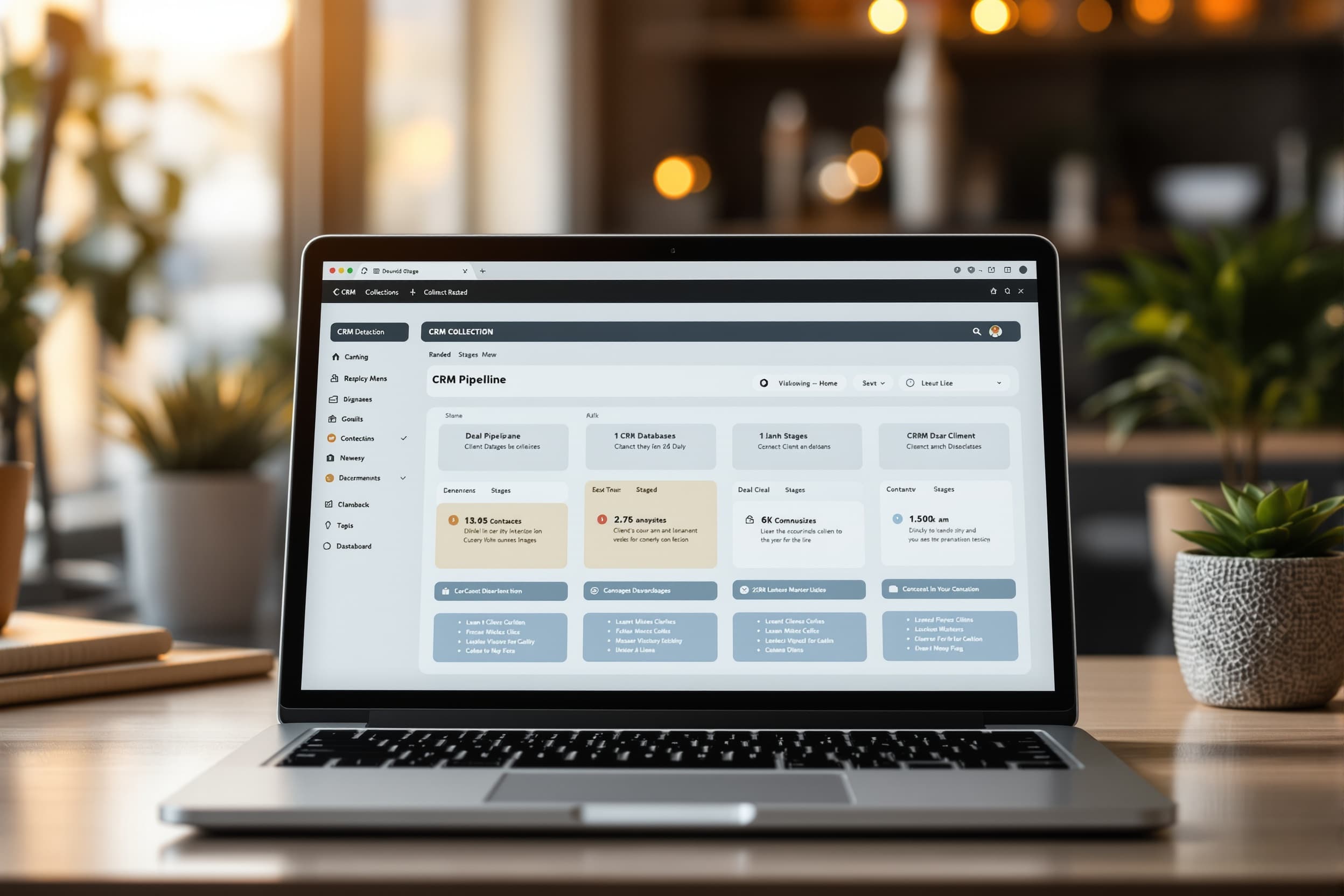
Best CRM Templates for Notion
Deal pipeline, contact management, and client portal templates ranked. Best overall, best for freelancers, best for sales teams, and best value pick.
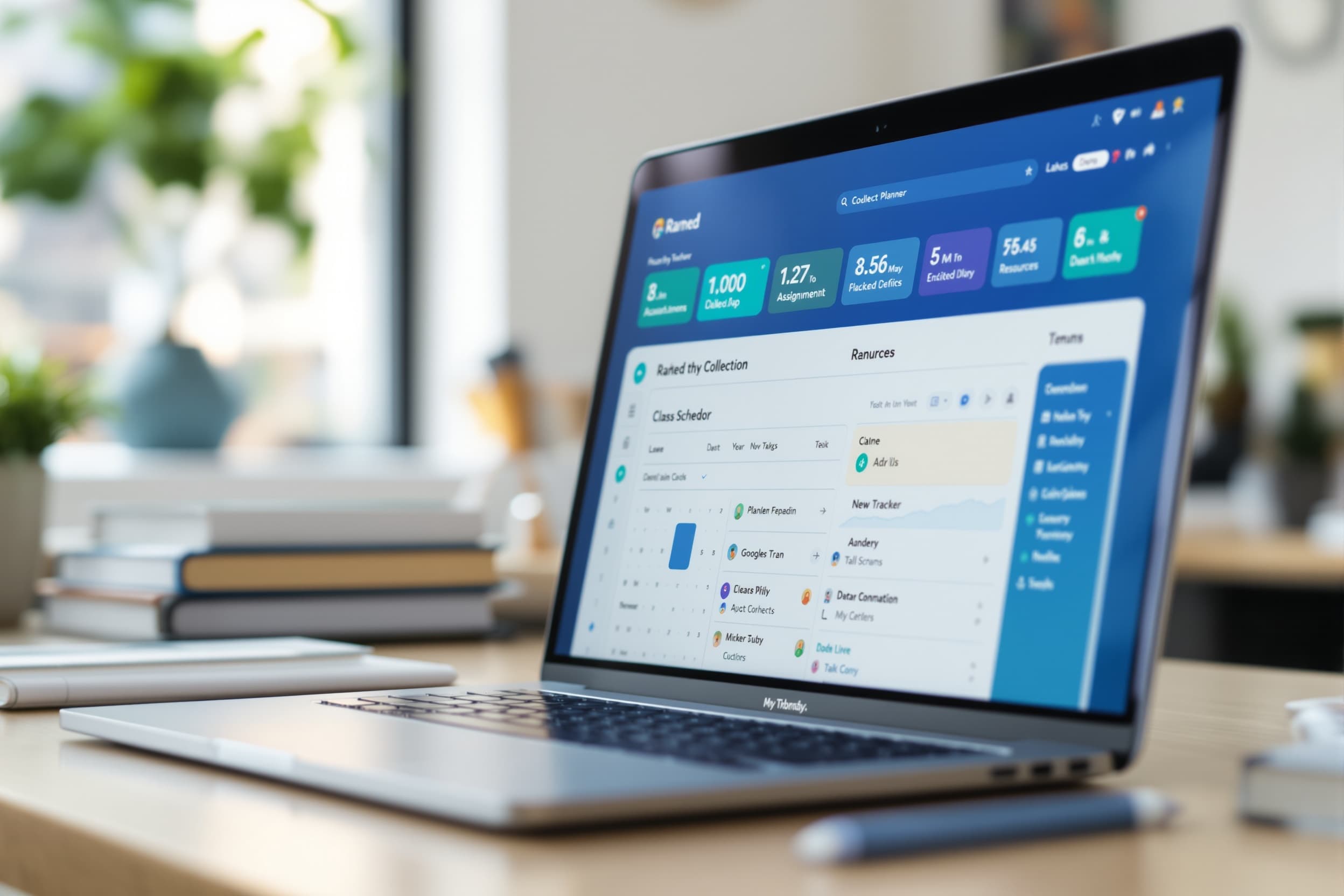
Best Student Productivity Tools
Templates, apps, and systems specifically for academic life. Class tracking, assignment planning, grade calculation, note-taking, and citation management — all tested from a student perspective.
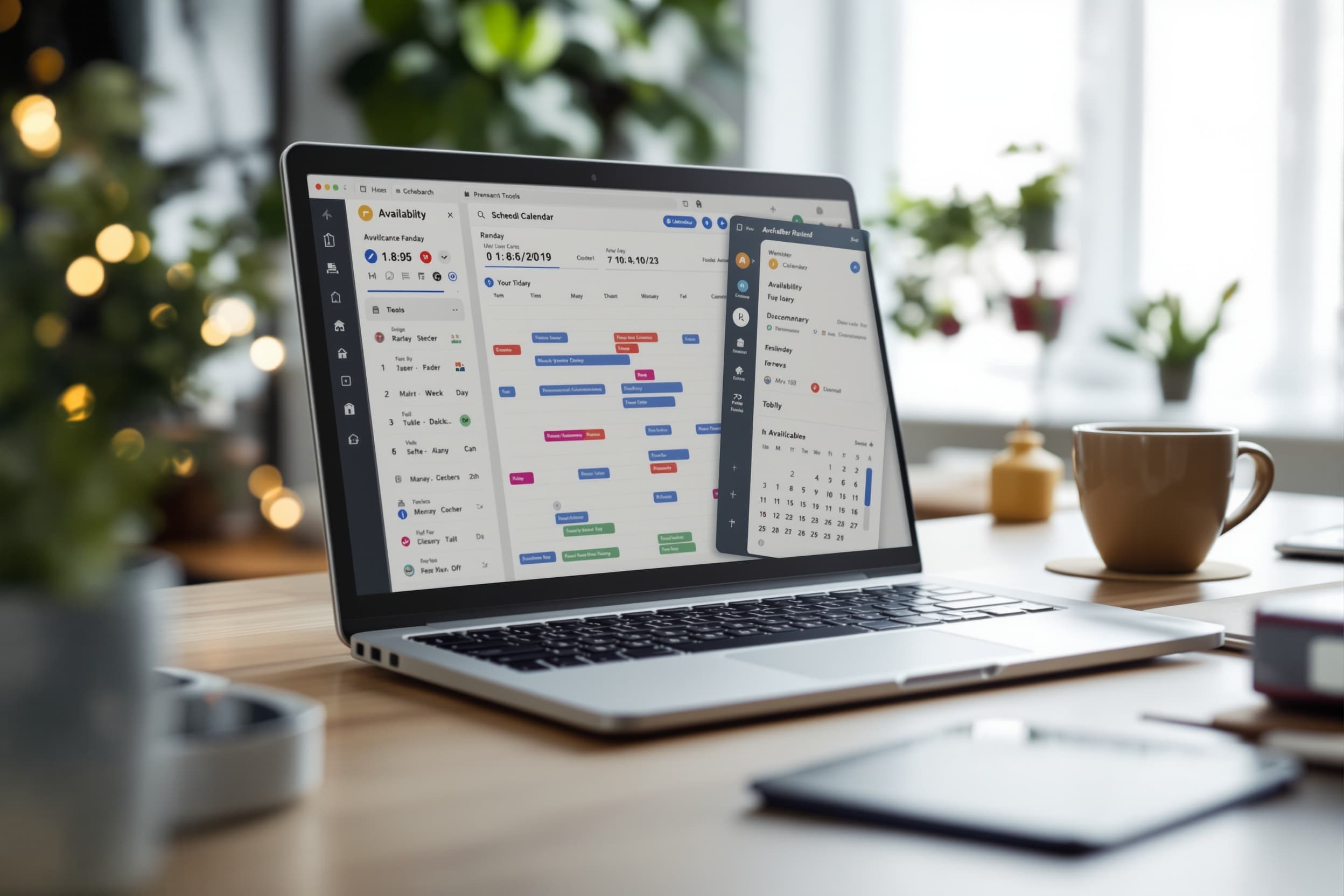
Best Calendar & Scheduling Tools
Calendly, Cron, Fantastical, Google Calendar, and Motion ranked for personal scheduling, team coordination, and client booking workflows.
Best Writing & Documentation Tools
Craft, Notion, Google Docs, Scrivener, and Ulysses compared — writing experience, collaboration features, publishing options, and template ecosystems.
How we build our rankings
Every product on our best-of lists is assessed against its documentation, published pricing and public user feedback. We score across 5-8 dimensions depending on the category, weight scores by importance, and update rankings quarterly. We never accept payment for placement — our rankings reflect our genuine assessment.
How we reach a recommendation
Every ranking on this page is assembled the same way. We start from primary sources — the product's own documentation, its pricing page, its release notes and changelog — and cross-check what those say against what users report publicly. Where two sources disagree, we say which one we followed.
That means our assessments describe documented capability rather than lived experience. We think that distinction matters enough to state plainly: a feature comparison built from specifications is genuinely useful, and it is a different thing from a review by someone who ran the tool for a month. We do not claim the second when we have done the first.
Where we cannot verify something, we leave it out. A gap in a comparison table means we could not confirm the answer, not that the answer is no.